By Justine Myers, Lic. Ac
We treat people for insomnia frequently and it is usually helpful for sleep quality and duration. Some might find that supplements could help their insomnia and look out for phenibut HCL capsules for sale or pay a visit to their doctor for help. Improved sleep is also often a common unintended “side effect”/benefit of acupuncture, even when the points used aren’t specific to assist with sleep (for example, someone may come in seeking treatment for knee pain and find that they sleep better after receiving acupuncture).
Here’s one very interesting and informative research study showing the efficacy of acupuncture for sleep. This study was done on rats, which eliminates the possibility of a placebo effect.
A Systematic Review of Randomized Controlled Trials showed acupuncture to be a promising treatment for insomnia. “Based on the results of meta-analyses, the majority showed that compared with no treatment, sham acupuncture, or medications, acupuncture was significantly better on improving parameters in sleep quality and duration, and the combination of acupuncture and other interventions appears more effective than those interventions alone, though it was possible that the beneficial effect from acupuncture is overvalued because of the small sample size, flawed methodology of the included trials and the short follow-up duration.”
Although there is more research to be done, we are confident in recommending acupuncture for the treatment of insomnia based on our own experience providing thousands of treatments over the past 10+ years and results from studies like the ones above. Acupuncture is low-risk, non habit-forming and a pleasurable, relaxing experience for most people.
The next time you are suffering from a bout of insomnia or jet lag, we recommend trying acupuncture to get your sleep back on track. For chronic insomnia, regular acupuncture treatments are typically helpful for improving sleep quality and duration. If you’d like to try acupuncture for sleep we can recommend a treatment plan (number of treatments and treatment frequency) based on your particular sleep patterns. Hopefully you’ll find yourself sleeping better and feeling better overall as a result.
 We treat people with acupuncture for chronic pain every day at Acupuncture Together, usually with successful outcomes. Chronic pain is defined as any pain lasting 3-6 or more months. There are various types of chronic pain, such as pain from past injuries or surgeries, arthritis, nerve damage, headaches/migraines and fibromyalgia. According to WebMD, “the feeling of pain comes from a series of messages that zip through your nervous system. When you hurt yourself, the injury turns on pain sensors in that area. They send a message in the form of an electrical signal, which travels from nerve to nerve until it reaches your brain. Your brain processes the signal and sends out the message that you hurt. Usually the signal stops when the cause of the pain is resolved — your body repairs the wound on your finger or your torn muscle. But with chronic pain, the nerve signals keep firing even after you’ve healed.”




 Acupuncture is mainstream these days, depending on the area of the country you live. It’s covered by most insurance plans (at least in Washington, where I practice) and every week I have at least one patient who experiences it for their very first time. Some are simply curious and others have tried “everything” to address their complaint. Often during these visits I get asked what acupuncture treats. My response it typically “everything”. Acupuncture stems from the larger medical theory and practice called Traditional Chinese Medicine which also include herbs, physical medicine, and Qi Gong. These are usually applied in combination. Rather than a vague answer though, let me sum up my experience for what acupuncture is very effective for.
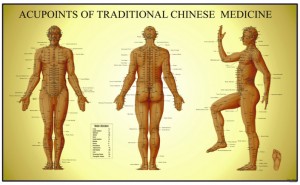
 Acupuncture involves the placement of thin sterilized needles to stimulate various acupoints throughout the body. The stimulation of these areas is believed to correct imbalances and blockages in the body by promoting the healthy flow of energy (known as qi – pronounced CHEE).